Le style de Pekka Halonen pour vos créations IA
Pekka Halonen (1865-1933) est l'un des plus grands peintres de paysages finlandais, célèbre pour ses représentations magistrales de l'hiver nordique et sa maîtrise de la lumière naturelle.

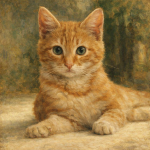
finnish winter landscape painting, thick impasto oil technique, muted color palette with blues and whites, dramatic northern light, realistic naturalism
Quelques exemples
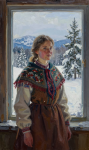
portrait of a finnish woman with traditional clothing, standing by a window overlooking a snowy landscape, soft northern light illuminating her face, muted color palette with blues and warm browns, thick impasto oil technique, visible brushstrokes
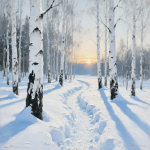
snow-covered birch forest with a winding path, low winter sun casting long blue shadows, thick impasto oil technique, textured surface, muted color palette with whites and blues, realistic naturalism

old wooden sleigh partially covered in snow, parked in front of a rustic cabin, dramatic northern light, thick impasto oil technique, earthy tones with weathered wood textures, visible brushstrokes

tall hairy creature standing in a snowy finnish forest, wearing traditional nordic clothing, dramatic northern light filtering through pine trees, thick impasto oil technique, muted color palette with browns and whites, realistic naturalism
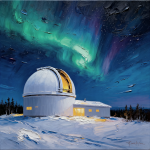
modern astronomical observatory with a large white dome, nestled in a snowy finnish landscape, northern lights in the sky, thick impasto oil technique, dramatic contrast between warm artificial light and cold natural light, textured surface
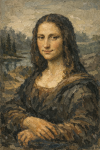
renaissance portrait of a woman with an enigmatic smile, reimagined wearing a warm fur coat and hat, sitting in a snowy finnish landscape with birch trees, soft northern light on her face, thick impasto oil technique, muted color palette
- Pour l'esthétique générale : Utilisez
finnish landscape paintingounordic winter scenecomme base. Ajoutezrealistic naturalismpour ancrer le style dans le mouvement artistique approprié. - Pour la technique : Le terme
thick impasto oil techniqueest essentiel pour reproduire la texture caractéristique de ses œuvres. Ajoutezvisible brushstrokesettextured surfacepour plus de réalisme. - Pour les couleurs : La palette de Halonen est subtile. Utilisez
muted color palette with blues and whitespour l'hiver, ouearthy tones with ochre and brownpour les scennes d'automne. Évitez les couleurs saturées. - Pour la lumière : C'est l'élément le plus distinctif. Utilisez
dramatic northern light,low winter sunousoft diffused light through birch treespour capturer l'atmosphère nordique unique. - Pour les sujets :
snow-covered forest,frozen lake,wooden cabin in winter,birch trees against snowsont des motifs récurrents dans son œuvre.
Comment obtenir l'effet de neige caractéristique de Halonen sans qu'elle ne paraisse blanche et uniforme ?
Utilisez des termes comme subtle blue and purple shadows in snow et textured snow surface pour créer de la profondeur. Ajoutez thick impasto technique pour donner une texture tridimensionnelle à la neige, et low winter sun casting long shadows pour créer des variations de luminosité.
Pourquoi mes images ont-elles l'air trop modernes et pas comme une peinture du début du 20ème siècle ?
Spécifiez early 20th century finnish painting et realistic naturalism pour ancrer l'image dans la bonne période. Ajoutez visible brushstrokes et limited color palette pour éviter l'aspect lisse et numérique des images modernes.
Comment recréer la lumière nordique si particulière dans les œuvres de Halonen ?
Utilisez des termes spécifiques comme dramatic northern light, low winter sun ou soft diffused light. Pour les scènes d'intérieur, essayez warm interior light contrasting with cold exterior pour créer ce jeu de lumière caractéristique entre l'intérieur chaud et l'extérieur froid.
Puis-je utiliser le style de Halonen pour des paysages non enneigés ?
Oui, Halonen a également peint des paysages d'automne et d'été. Utilisez finnish autumn landscape ou summer forest scene avec earthy tones with ochre and brown pour l'automne, ou vibrant greens with soft lighting pour l'été. Gardez toujours thick impasto oil technique pour maintenir la texture caractéristique de son style.